
Giving Coaches Their Time Back: How Technology Can Improve Tennis Coaching
I recently conducted a survey of almost 60 tennis coaches from across Australia, including regional Victoria. When I asked what they most wanted to improve in their lives, one of the most common responses was simple: “I wish I could reduce my admin, I am a coach and want to help my students improve, not chasing invoices or managing WhatsApp groups.”
For years, I thought the pressure I felt was simply the price of growing a successful tennis coaching business. The program was expanding, more families were joining and more coaches were working with us. From the outside, that growth looked like success. Behind the scenes, the administrative workload was growing just as quickly.
“I was chasing invoices, reorganising classes, responding to parents, managing coaches and trying to keep up with dozens of small tasks that never appeared on the timetable. I worked seven days a week. Even when I stepped onto the court, part of my attention remained with the work waiting for me afterwards. My personal life moved into the background, and the quality of my coaching sessions began to suffer.”
That experience eventually contributed to the creation of Connect2Coach, but the problem is much bigger than one business or one software platform. Poor work life balance is common across tennis coaching, and technology can either reduce the pressure or make it worse. The result depends on how coaches and clubs use it.
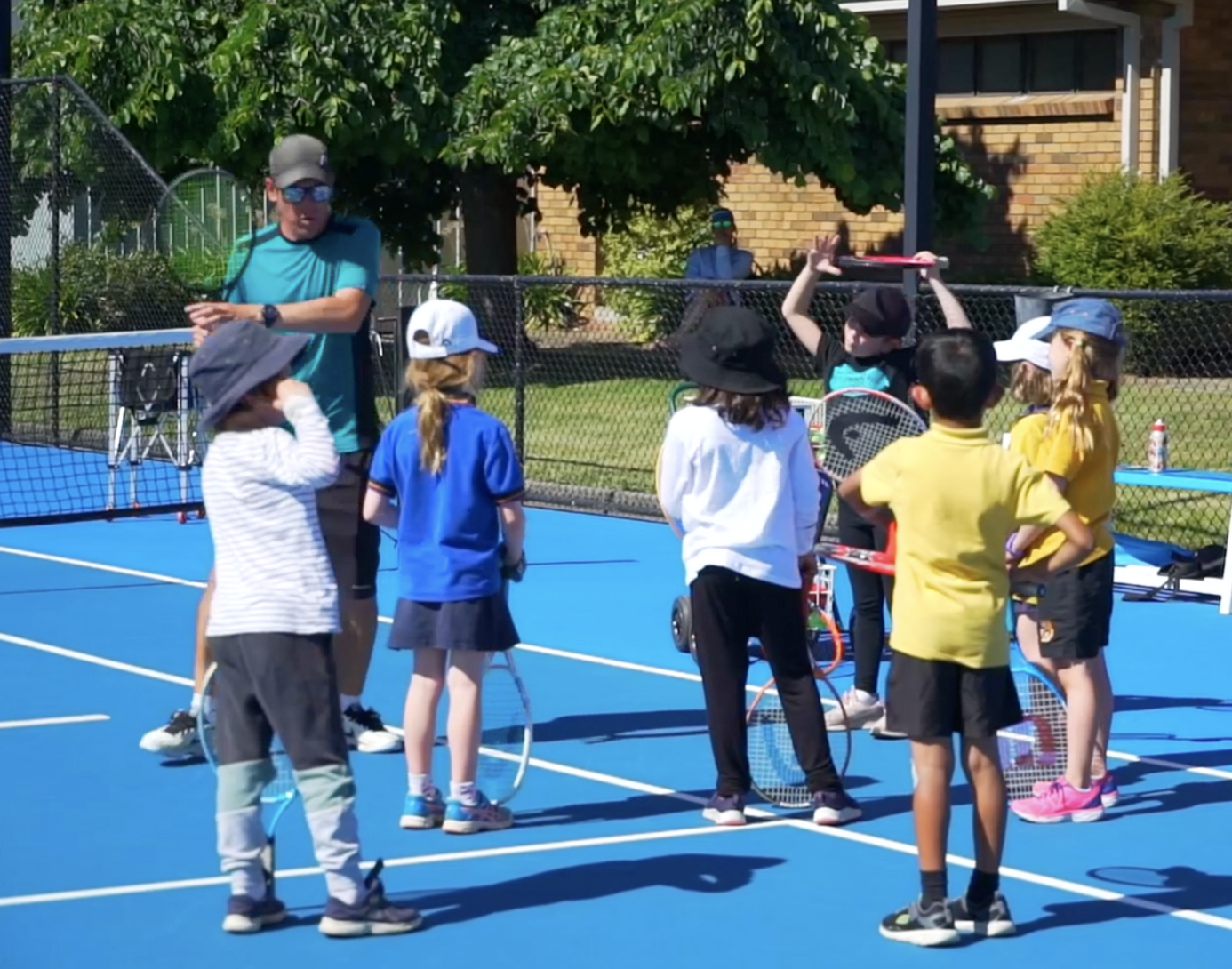
Why tennis coaching places unusual pressure on personal life
Tennis coaches rarely work a conventional day. A typical schedule may include an early private lesson, a gap during school hours, an after school junior program and evening adult sessions. Weekends are often filled with competition, tournaments or make up lessons.
“A coach can be committed to work for 12 hours while being paid for only a portion of that time.”
The visible work happens on court. The hidden work includes lesson planning, travel, bookings, cancellations, payments, attendance, staff coordination, marketing, safeguarding, professional development and communication with parents and players. For self employed coaches, the same person is often the coach, administrator, manager and business owner.
The most common sources of stress
Invisible administration
Admin work is often completed between sessions, late at night or at home. Each task may take only a few minutes, but together they create a constant feeling of unfinished work. When coaches price only the court hour, much of this labour is also unpaid.
Fragmented schedules
Total hours tell only part of the story. Five separate work periods across a day can be more disruptive than the same number of hours delivered in two blocks. Travel, weather changes and last minute cancellations make it difficult to protect family time, exercise, social commitments or proper recovery.
Constant access for parents and players
Junior tennis depends on strong relationships with parents, but unclear communication rules can make the coach permanently available. Messages about bookings, rankings, match results and player progress can arrive at any time. Research with 70 British tennis coaches identified parent demands, intrusion into personal time and concern about losing paying customers as recurring stressors.
Income and job insecurity
Self employed coaches can feel that saying no means losing income or damaging a client relationship. Employed coaches may face short contracts, performance pressure or uncertainty about future hours. This can encourage overbooking and make taking leave feel risky, even when the coach clearly needs a break.
Emotional labour
A coach is expected to remain patient, confident and encouraging through every session. An ITF study found that tennis coaches actively managed the emotions they displayed and sometimes carried the strain of that responsibility into private life. A difficult session does not always finish when the last ball is collected.
What poor balance does to coaching quality
The strongest research evidence links heavy workload, insufficient recovery, job insecurity and poor work life balance with worse mental health among coaches. The direct effect on player outcomes has not been measured well enough to make absolute claims, but the pathway is easy to recognise in practice.
“A tired or distracted coach has less attention available to observe the player, adapt the session and make good decisions. When every break is filled with messages and administration, lesson planning and reflection become optional. Emotional exhaustion can also affect patience, communication and the motivational environment created for players.”
Better balance does not improve coaching simply because a coach works fewer hours. It improves coaching when the recovered capacity is used for rest, preparation, learning and more focused relationships with players.
How technology and better systems give coaches more capacity to coach?
Technology helps when it removes repeated work, reduces interruptions or makes a boundary easier to maintain. Digitising a task without simplifying it merely moves the same problem onto a screen.
“My own experience taught me that passion is not an unlimited resource. Coaches can love tennis, care deeply about their players and still become overwhelmed by the way their work is organised.”
Improving work life balance requires more than personal resilience. Coaches need realistic workloads and clear boundaries. Businesses need to price the full service and build cover. Clubs need schedules and cultures that allow people to recover. Technology should remove work, organise communication and make those boundaries easier to keep.
When coaches regain attention, energy and preparation time, they are better placed to provide consistent, thoughtful and person centred coaching. That is why work life balance belongs in every conversation about coaching quality.
